Love the idea of stepping out your door for a flat, scenic cruise by the ocean or an easy nature walk with the kids? In Seal Beach, you can. The shoreline, pier, and nearby neighborhoods make everyday rides and strolls simple, relaxing, and close to coffee, parks, and restrooms. In this guide, you’ll find the best paths and loops, nature-view options, longer coastal connections, and practical tips on safety, parking, and timing. Let’s dive in.
Why Seal Beach works for everyday rides
Seal Beach sits on the northwest edge of Orange County with a sandy, mostly flat shoreline. That means you get easy grades, wide ocean views, and short distances between the beach, Main Street, and parks. It is a natural fit for casual riders, walkers, and families who want short outings without a lot of planning.
You can stroll the pier area, hop on a bike for a mellow spin, or connect to nearby city paths. If you want more mileage, regional trails link you to neighboring beach cities and inland routes.
Beachfront promenade and pier area
What you will see
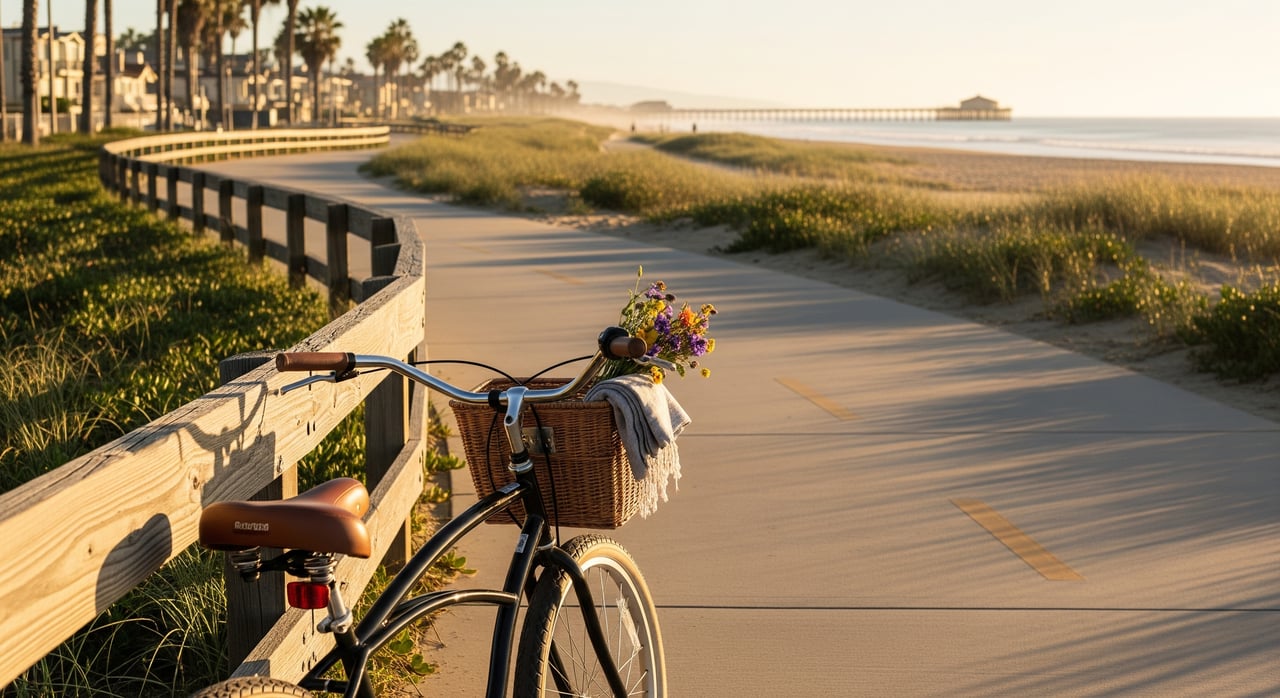
The central beachfront and pier form the classic Seal Beach experience. You get open ocean views, surfers in the lineup, and a compact downtown just steps away. The terrain is flat and sightlines are clear, which helps when you are keeping an eye on kids.
Family features and amenities
- Paved surfaces that are stroller friendly
- Seasonal lifeguard presence and places to sit near the sand
- Cafés, restaurants, and shops on nearby Main Street
- Public restrooms and parking options close to the beach
How to plan your loop
Start near the pier, enjoy a relaxed shoreline walk or roll, then pop into Main Street for a snack. If you want a little more, add a neighborhood loop before returning to the beach. It is a simple way to combine beach time and errands without moving your car.
Good to know
Check posted signs for bike rules on the pier and in high-foot-traffic zones. Some areas may require you to walk your bike. Pathways can be busy on weekends and holidays, so go earlier in the day for a calmer experience.
Anaheim Bay and Bolsa Chica edge
Nature-forward shoreline
East of downtown, the Anaheim Bay area and the Bolsa Chica wetlands offer a quieter experience with habitat and birdwatching nearby. You will find a mix of paved multi-use segments and unpaved trails in the broader area. It is a good option when you want ocean air with a nature focus.
Access and expectations
These shorelines include protected habitat with rules that can limit access to certain areas. Facilities like restrooms and parking may be more limited than downtown. Check on-site signage and posted regulations before you go, and be prepared for unpaved sections that may not suit narrow tires or strollers.
Longer connections to Huntington Beach and Long Beach
Where you can go
From Seal Beach, riders often extend outings toward Huntington Beach or Long Beach using a mix of beachfront paths, neighborhood streets, and bike lanes. You can connect into the broader Southern California coastal corridor and inland bike networks.
Who it suits
These links work well for active adults and families with older kids who are traffic aware and comfortable with longer distances. Expect more intersections, changing surfaces, and busier segments once you leave the central Seal Beach area. Pack water and plan rest stops around cafés or parks along the way.
Neighborhood greenways and short loops
Close-to-home comfort
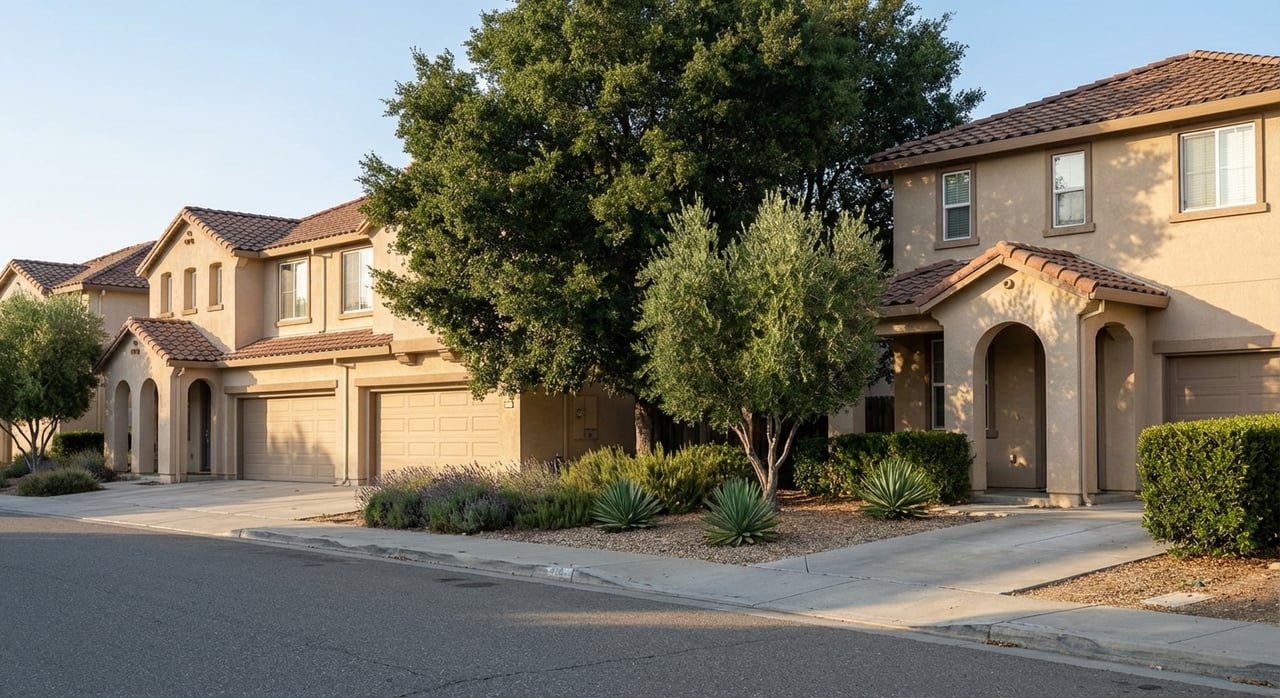
Residential streets and pocket parks in Seal Beach offer low-speed, low-traffic options for quick family rides and evening walks. You can roll to the beach for sunset, loop a park for a quick stretch, or connect school pick-ups to a short spin.
Why it matters if you are moving
When you shop for homes, the distance from your front door to the beach, parks, and bikeable streets can shape your daily routine. Look for streets with calm traffic, nearby playgrounds for breaks, and easy routes to Main Street.
Practical tips for smooth outings
Surfaces and accessibility
- Beachfront promenades and central sidewalks are paved and typically stroller friendly.
- Natural-area paths near wetlands can be unpaved and uneven. Bring a wider-tire bike or plan to walk.
- If accessibility is important for your group, look for ramps, accessible restrooms, and designated parking in city-managed areas.
Safety and shared-path etiquette
- Helmets are strongly recommended for everyone and are required by California law for minors.
- Expect mixed users. Slow down around families, signal passes, and watch for crosswalks and beach-goers.
- Follow local leash rules for dogs. Beaches and natural areas can have specific restrictions, so always check signs.
- Piers and some beachfront zones may limit bike riding. Be ready to dismount where posted.
Seasonal patterns and weather
- Summer and holiday weekends bring bigger crowds. Spring and fall often feel calmer and cooler.
- Mornings can be foggy with a marine layer, while afternoons usually clear. Dress in light layers and carry sun protection.
Parking, transit, and bike storage
- You will find public lots and street parking near the pier and downtown. During peak times, arrive early and read city signs for current rules.
- Regional buses serve the area, and many allow bikes on front racks. Check current schedules and bike policies before you ride.
- Look for bike racks around Main Street. If you are home shopping, consider in-home bike storage such as garages or sheds.
Rentals and local programs
- Seasonal bike rentals may be available near the beachfront or in nearby cities. Check availability before you go.
- Youth clinics, surf schools, and recreation programs often run through local organizations. Review current schedules if you want lessons or family activities.
Planning resources to consult
- City of Seal Beach pages for parks, beaches, pier rules, and parking updates
- County-level bike maps and transit rider resources for route planning
- California Coastal Trail materials for understanding coastal connectivity
- California State Parks and local conservancies for Bolsa Chica access and hours
- Mapping tools like AllTrails, Strava Routes, or Ride with GPS to preview surfaces and elevation
Moving to Seal Beach? Smart home-shopping questions
- How far is the home from the beach, pocket parks, and Main Street by foot or bike?
- Are there low-traffic streets or neighborhood paths that work for kids on bikes?
- Where will you store bikes and beach gear at home?
- Are there nearby playgrounds, restrooms, and places to grab a snack mid-ride?
- Do local streets make it easy to replace short car trips with short rides?
Make the coast your everyday backdrop
If you want a lifestyle where the ocean, parks, and cafés are part of your routine, Seal Beach delivers. You can keep rides short and simple near the pier, add nature time around the wetlands, or stretch into neighboring beach cities when you want more miles. That balance is a big reason many buyers see Seal Beach and nearby communities as a great fit for daily life.
Thinking about a move or a strategic sale near the coast? Reach out to Kathy Zajac Real Estate for local guidance, neighborhood tours, and a clear plan for your next step.
FAQs
What are the easiest family bike routes in Seal Beach?
- Start at the pier promenade for flat, paved paths near restrooms, cafés, and open ocean views that suit short, low-stress rides.
Can you ride a bike on the Seal Beach pier?
- Rules can limit riding on the pier and may require you to walk your bike; always follow posted signs at the pier entrance.
Are dogs allowed on Seal Beach paths and beaches?
- Leash rules and beach access for dogs vary by location and season; check current city signage before bringing a pet.
How crowded do the paths get in summer?
- Summer and holiday weekends are busiest; go early or plan weekday visits for lighter crowds and easier parking.
How do I connect from Seal Beach to neighboring beach cities by bike?
- Use coastal paths and designated bike lanes to reach Huntington Beach or Long Beach, and expect mixed conditions with more intersections beyond Seal Beach.
Are the wetlands paths near Bolsa Chica paved?
- You will find a mix of paved and unpaved segments; unpaved sections may be less suitable for strollers or narrow tires, so plan accordingly.