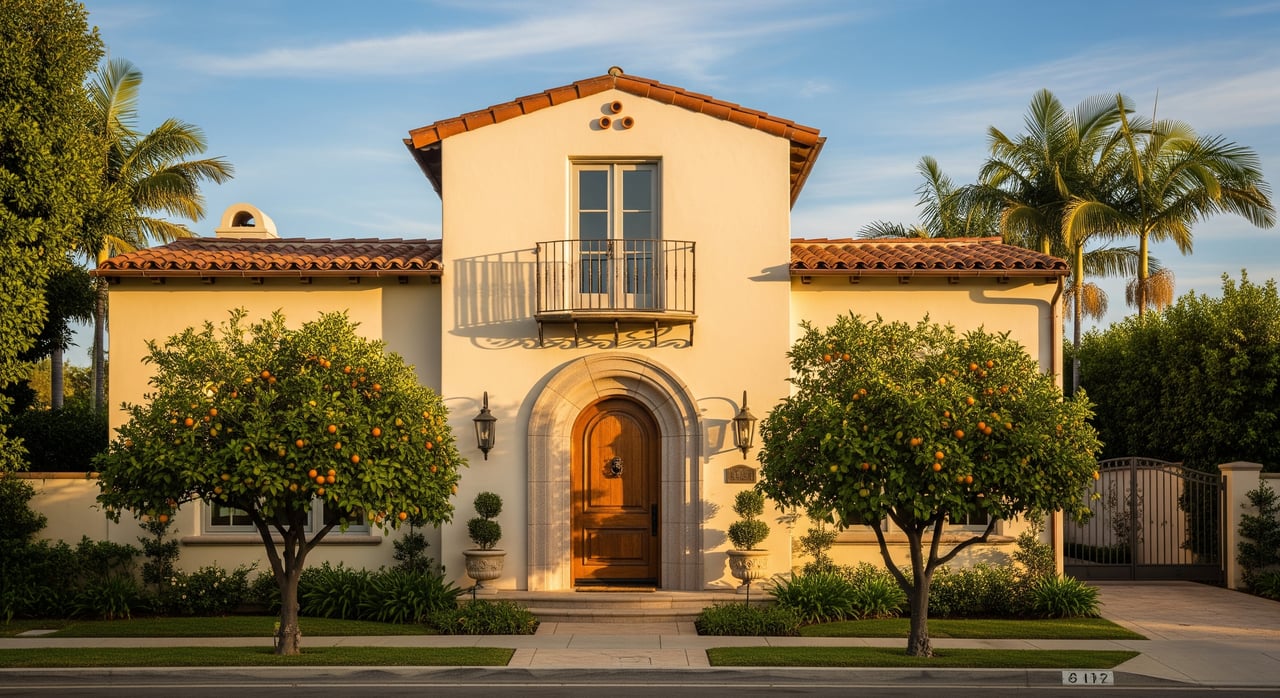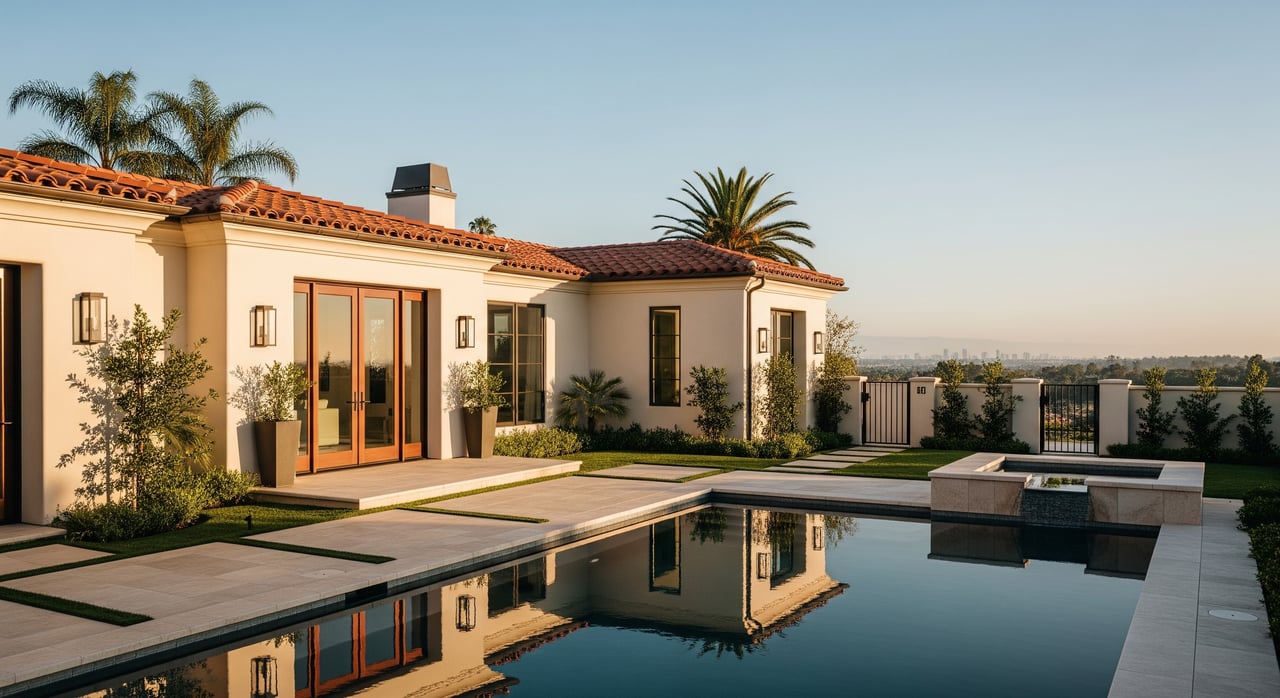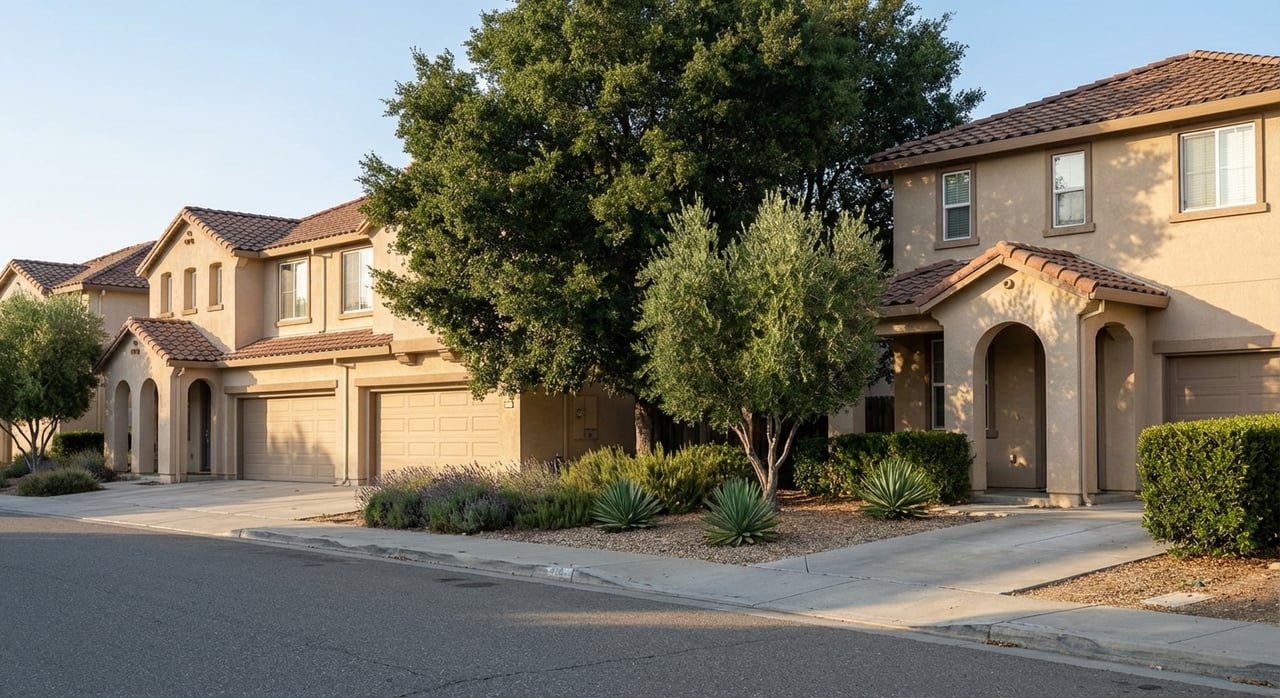
Should you buy a Cypress townhome or a single-family house next? It is a big decision that touches your budget, commute, schools, and day-to-day lifestyle. You want the right space without overextending, and you want clarity on what costs look like after you move in. This guide breaks down prices, HOAs, maintenance, taxes, schools, and commute so you can compare options with confidence. Let’s dive in.
Cypress market snapshot: what your budget buys
Cypress sits in a steady, higher-cost slice of northwest Orange County. Recent market trackers put the citywide median near the upper six to low seven figures, with several sources around the 990 thousand to 1.05 million mark in late 2025 and early 2026. Methodologies vary, which is why you see a small spread across providers.
On average, townhomes and condos list below detached homes in Cypress. Many attached options show mid-700 thousand median list levels in recent snapshots, while many detached homes cluster near or above the city median. That gap is why a townhome often serves as a lower-cost entry point for buyers who prioritize location and schools.
Townhome vs house: lifestyle fit
Townhome advantages
- Lower average purchase price than detached homes in the same city.
- Exterior upkeep is often handled through the HOA, which can include roofs, paint, landscaping, and shared amenities. Review what is covered in each community’s documents and budget, and learn how California HOAs operate using this California HOA guide.
- Some communities offer pools, greenbelts, and playgrounds that you do not have to maintain yourself.
Townhome tradeoffs
- Monthly HOA assessments are a recurring cost and can rise over time. Cypress communities commonly range a few hundred dollars per month. For example, the Tanglewood community’s published dues were $290 per month in 2025, which illustrates the order of magnitude in some neighborhoods. You can preview that schedule on the Cypress Tanglewood HOA dues page.
- Rules and architectural guidelines may limit exterior changes or certain uses. Always read the CC&Rs and recent meeting minutes.
- You typically get less private yard space and may have shared walls and parking rules.
Detached home advantages
- More privacy and yard space for gardening, play, and pets.
- Flexibility to remodel or expand over time, subject to city permitting.
- No HOA governance in many areas, or a smaller fee where a local association only maintains limited common areas.
Detached home tradeoffs
- Higher average purchase price, which affects your down payment and loan size.
- You take on full exterior maintenance: roof, paint, landscaping, fencing, hardscape, and any pool.
- Annual maintenance can be meaningful. A common guideline is to reserve about 1 to 3 percent of the home’s value per year for upkeep and replacements, as outlined by this budgeting reference.
Cost comparison at a glance
Every property is different, and rates and taxes change, so treat these as planning frameworks, not quotes.
Townhome scenario
- Example purchase price: $700,000.
- Property tax baseline: California’s Proposition 13 sets a 1 percent base on assessed value, so about $7,000 per year, plus any voter-approved bonds or special assessments on the parcel.
- HOA: often a few hundred dollars per month in Cypress. Confirm exactly what the fee covers and whether there are pending special assessments.
- Maintenance: interiors and systems are still yours, but exterior items may be covered by the HOA, depending on the community’s documents.
Detached home scenario
- Example purchase price: $1,050,000.
- Property tax baseline: roughly $10,500 per year at the 1 percent base rate, plus any local add-ons tied to the parcel.
- Maintenance: plan a reserve around 1 to 3 percent of home value per year as a starting point. If you add a pool, routine service and chemicals can add hundreds to more than a thousand dollars per year, as outlined in this pool cost overview.
The key takeaway: a lower purchase price and an HOA that covers big exterior items can make a townhome feel more predictable month to month, while a detached home usually commands a higher price and a larger maintenance reserve in exchange for space and flexibility.
Schools, commute, and daily rhythm
School districts and options
Most local K–6 campuses are operated by the Cypress School District. High school assignments fall under the Anaheim Union High School District, which includes Cypress High and Lexington Junior High among others. Oxford Academy is a selective 7–12 public option within AUHSD. It has a strong published rating on GreatSchools, and admission requires selection, not just proximity. You can review the Oxford Academy profile on GreatSchools. Always check current boundary maps and admissions policies directly with the districts before you rely on them for a purchase decision.
Commute and transit
Cypress residents report a mean travel time to work of about 29.9 minutes, according to the latest multi-year estimate in U.S. Census QuickFacts. The city sits near I-5, SR-91, I-405, and I-605, which connect to job centers in Anaheim, Santa Ana, Irvine, Long Beach, and Los Angeles. If you prefer rail or park-and-ride, the closest Metrolink stop for many Cypress addresses is Buena Park Station, which you can explore through this local station feature. Local OCTA bus routes add flexibility along key corridors.
HOA and tax due diligence you should do
Before you write an offer, verify the numbers and governance that can change your annual costs.
- Property taxes and special assessments. Proposition 13 sets a 1 percent base rate on assessed value. Some parcels also carry voter-approved bonds or Mello-Roos community facility district taxes. Use the Orange County Treasurer-Tax Collector tools to search parcel-level tax data and confirm current charges on the secured bill. Start with the OC Treasurer site, then review the preliminary title report during escrow.
- HOA documents and finances. Request and review CC&Rs, bylaws, rules, budgets, the latest reserve study, and recent meeting minutes. The California HOA overview explains typical responsibilities, disclosure rights, and how common areas are funded.
- What the HOA actually covers. In townhome and condo projects, ask whether the HOA insures and maintains roofs, exterior walls, paint, and landscaping, and whether water or trash is included. The Tanglewood dues page shows an example of how one local HOA outlines assessments, which is helpful when you compare communities.
- Schools and admissions. Confirm current attendance boundaries with the Cypress School District and verify the Anaheim Union High School District policies, including Oxford Academy’s selective admission process. Proximity does not guarantee admission to selective programs.
How to decide: a simple framework
Use this quick filter to match your priorities to the right property type.
- Budget ceiling. If staying below the citywide median is key, a townhome is often the more attainable path in Cypress.
- Space needs. If you want a private yard, more separation, and future remodel flexibility, a detached home is usually the better fit.
- Predictability vs autonomy. If you value predictable exterior upkeep and shared amenities, an HOA can be a plus. If you prefer to control all property decisions and avoid HOA rules, lean detached.
- Long-term plans. If you expect to expand, add an accessory structure, or customize, detached ownership typically offers more pathways, subject to local codes.
- Commute and schools. Weigh your daily drive and the specific school boundaries for each address you consider. The neighborhood that fits your school and commute may also influence whether townhome or detached options are available nearby.
Your next step
You do not have to choose alone. A local, data-informed walkthrough of active listings, HOA documents, tax lines, and neighborhood maps will clarify the right path for your family. If you would like a side-by-side cost picture for specific homes, or you want to map schools and commute options, connect with our team for personal guidance. Get started with a friendly consult or request a quick value check on your current home through Kathy Zajac Real Estate. We are here to help you choose with confidence.
FAQs
What is the typical price gap between Cypress townhomes and houses?
- Recent market snapshots show many townhomes listing in the mid-700 thousand range while detached homes often sell near or above the citywide median, which several trackers place around the upper six to low seven figures.
How much are HOA fees for Cypress townhomes?
- Many communities range from roughly 200 to 600 dollars per month depending on amenities and coverage; for example, Tanglewood published a 290 dollar monthly assessment in 2025 on its dues page.
How do property taxes work in Cypress, and what is Mello-Roos?
- California’s Proposition 13 sets a 1 percent base on assessed value, with parcel-specific add-ons like bonds or Mello-Roos possible; verify amounts on the secured bill using the Orange County Treasurer tools and your preliminary title report.
Which school districts serve Cypress, and is Oxford Academy guaranteed?
- Most K–6 schools are in the Cypress School District, high schools are in Anaheim Union HSD, and Oxford Academy is selective with its own admission process and timeline; proximity alone does not ensure admission.
What is the average commute time for Cypress residents?
- The mean travel time to work is about 29.9 minutes per U.S. Census QuickFacts, and nearby options include freeway corridors plus Buena Park’s Metrolink station highlighted in this local feature.
How much should I budget for detached home maintenance in Cypress?
- A common guideline is 1 to 3 percent of the home’s value per year for upkeep and replacements per this budgeting guide; if you have a pool, expect additional annual costs as outlined in this pool overview.